
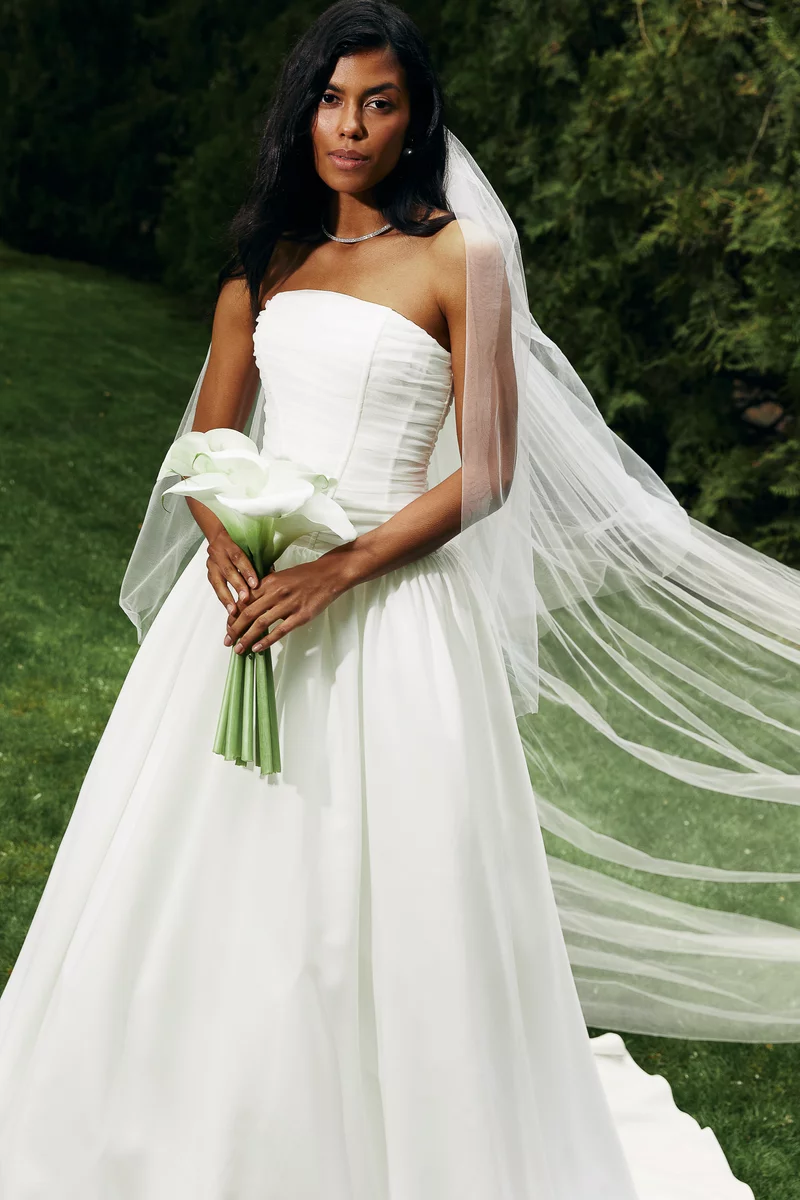
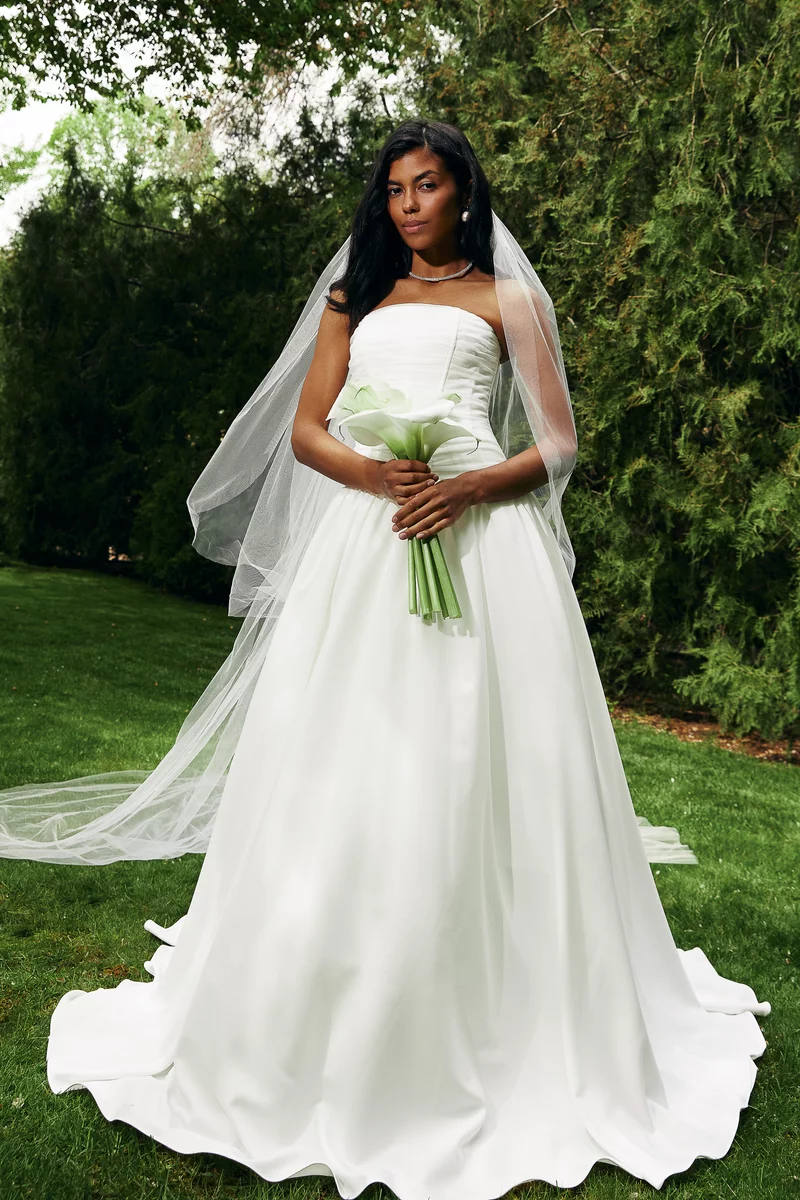


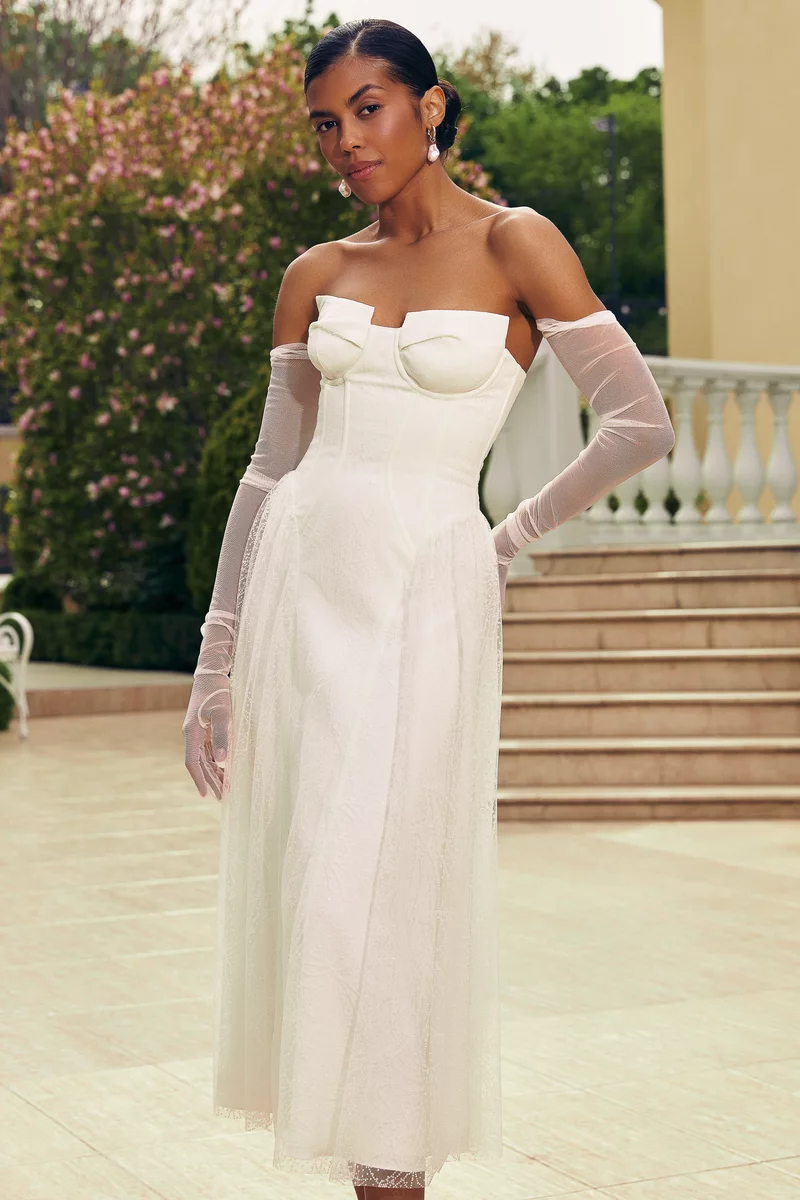

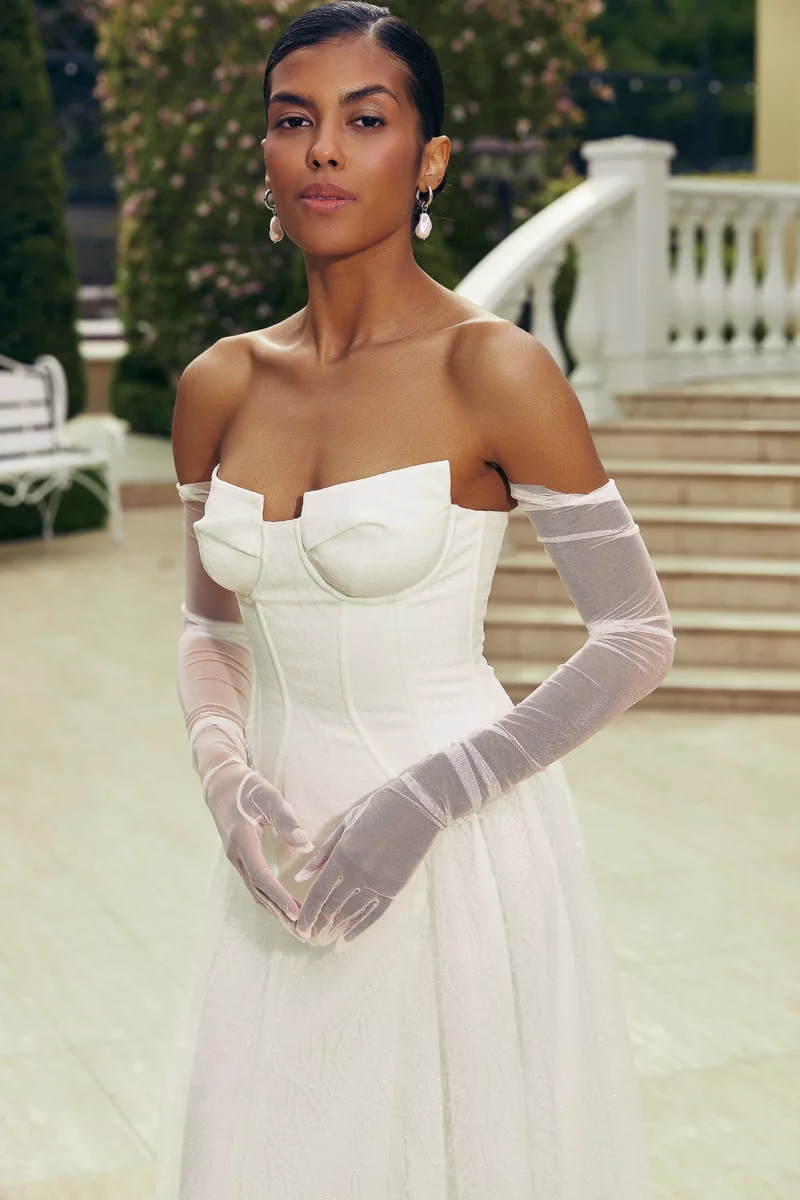




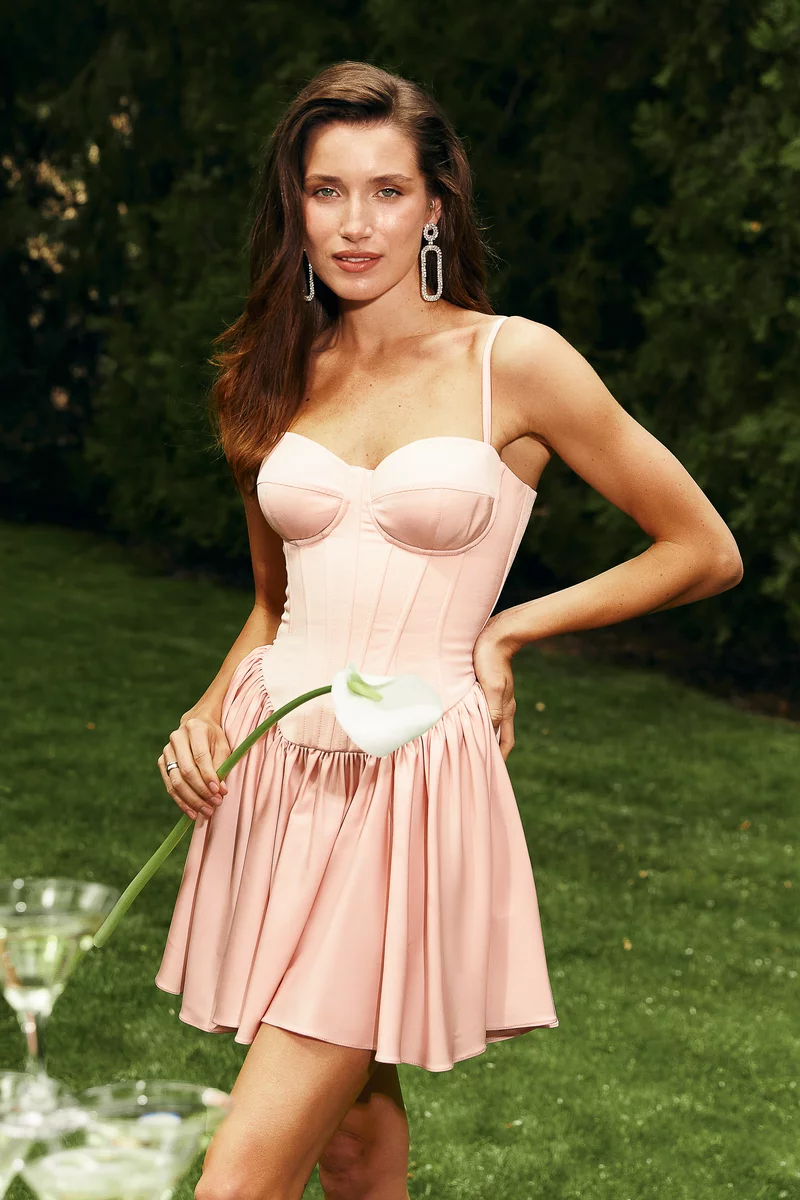
Dress for painting: a silhouette that captures a new status
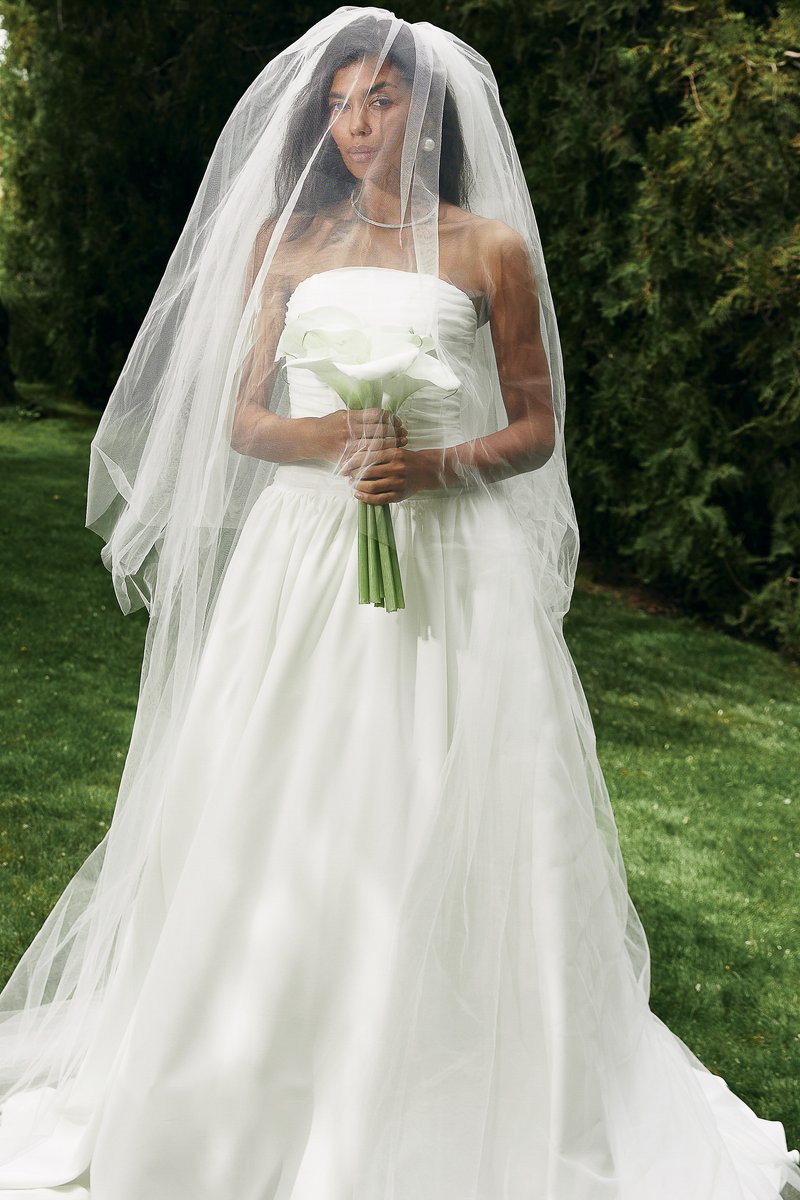
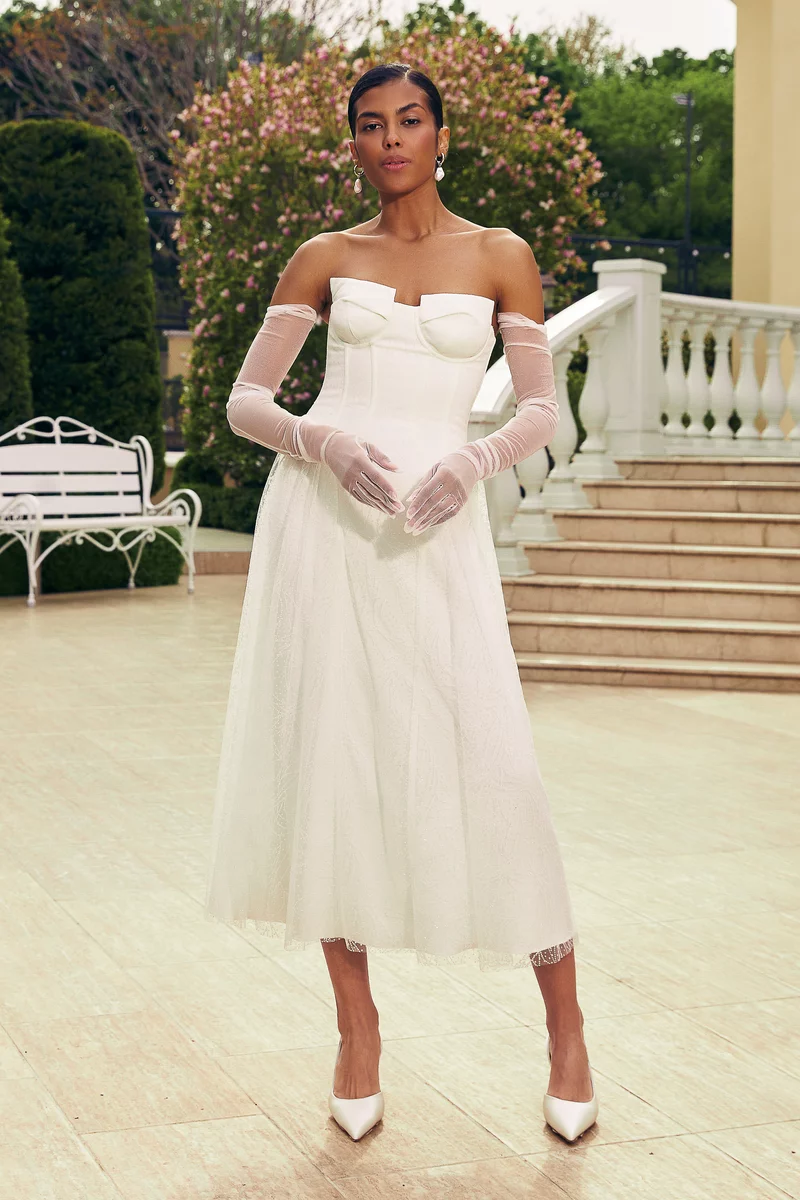
A dress for a civil ceremony is a form for the occasion that marks a change of status. Gepur designs the silhouette for the real female body: thousands of measurements and 15+ years of fit expertise turn fabric into a point of support that works both on camera and in motion. In the edit complementing the wedding dress collection, you will find models with no compromise between aesthetics and fit.
The advantages of Gepur dresses for a civil ceremony
Every design is built on one principle: the fabric follows the silhouette instead of hanging loosely on the figure. In production, we use dense satin with a matte sheen, chiffon with lining, micro-oil jersey with a light stretch thread, French lace, and sateen. These fabrics do not crease during travel, keep their shape in photos, and do not become see-through under flash. Corset bodices are reinforced with boning, while hidden zippers and side lacing maintain the fit until the end of the day. See more in the edit of satin dresses.
How to choose a dress for a civil ceremony at the registry office
Start from the scenario of the day. For a short ceremony without a reception, white midi dresses and white mini dresses in structured fabric work best: a practical outfit that is comfortable to move in and does not overload the look. For a ceremony with an outdoor registration or a dinner reception, choose a maxi dress with a slit or an A-line silhouette — such a model will not crease in the car and moves freely on the dance floor. A long chiffon sleeve is a solution for winter and the transitional seasons, while bare shoulders and thin straps are ideal for a summer registry office ceremony.
Fabrics, colors, and silhouettes
The palette goes beyond classic white: milk, ivory, off-white, powder, and pearl shades are appropriate for the ceremony and free from a direct bridal association. Silhouettes range from a restrained sheath dress to draped Grecian cuts. Satin adds depth, chiffon adds lightness, and lace designs place emphasis on the neckline and sleeves. For a minimalist look, choose a straight cut with a V-neckline; for a dramatic one, choose a mermaid dress that highlights the waist and hips.
What to wear with a civil ceremony dress
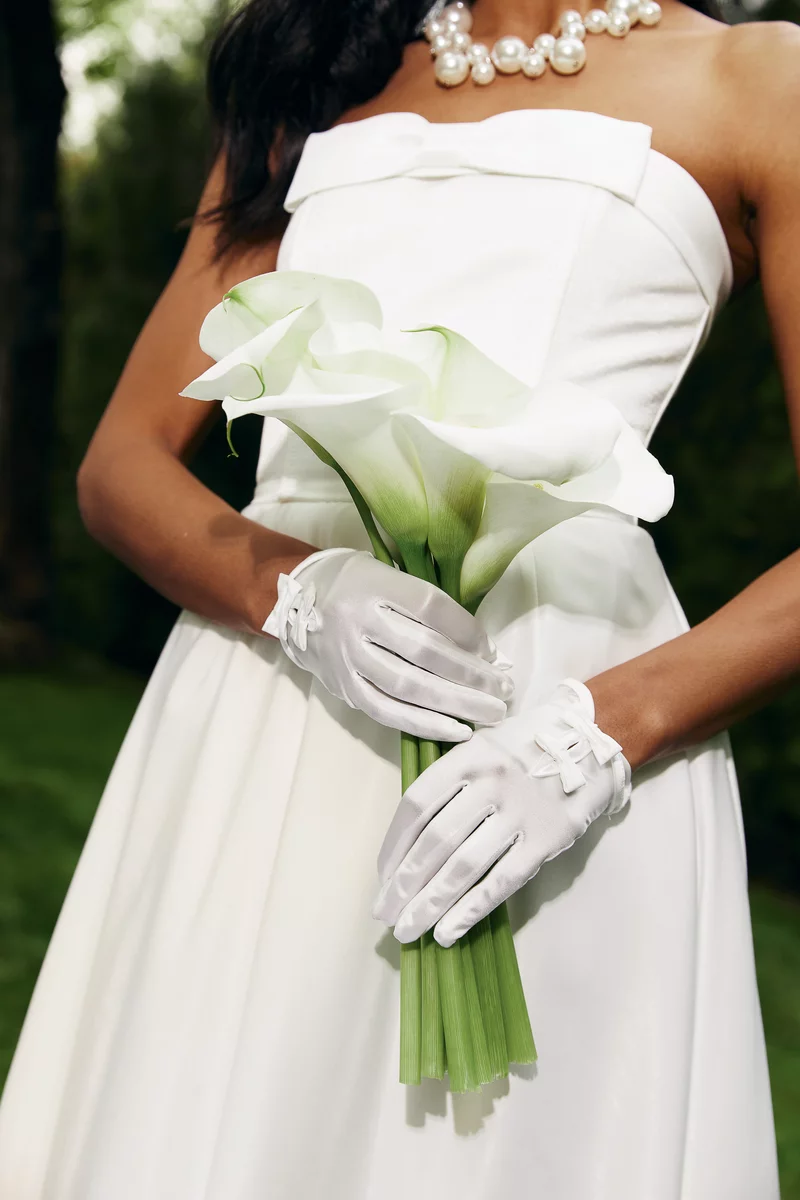
Nude shoes with a concealed platform visually elongate the silhouette — important for front-facing photos. For shorter lengths, choose sandals with thin straps; for maxi dresses, closed pumps. Jewellery works best through contrast: with a closed neckline, wear statement earrings and leave the neck bare; with open shoulders, choose a delicate chain and studs. The bag should be a clutch matching the fabric tone or a metallic option (silver, pearl). A veil is not required: it can be replaced with a hair clip with minimal decoration or a silk bow.
“The main mistake brides make is choosing a dress that looks beautiful on a hanger. At the ceremony, what matters is the fit at the moment you lift your hand to sign: if the bodice softly embraces the ribcage and the skirt does not form creases when you step, then the design is yours.”
— Natali Bakaeva, GEPUR stylist
Why buying a civil ceremony dress at Gepur is worth it
You get a fit refined through thousands of measurements. The catalogue includes evening dresses for a ceremony followed by a reception, cocktail styles for a concise ceremony, and white trouser suits as an alternative to a dress. Delivery across Ukraine takes 1–3 days, with shipping on the day of the order. Showrooms in cities across Ukraine are available for those who want to check the fabric and silhouette in person before the ceremony.
FAQ: frequently asked questions about civil ceremony dresses
How is a civil ceremony dress different from a classic wedding dress?
A civil ceremony dress is shorter and more practical than a classic wedding gown. It does not require attributes such as a veil, a train, or a voluminous underskirt structure. The emphasis is placed on a clean cut and versatility: such a dress can be worn again — to prom, an anniversary, a corporate event, or a photoshoot. A classic wedding dress is subordinated to the ritual of the wedding and the reception, while a civil ceremony dress is tailored to the format of a specific registry office ceremony.
What length should you choose for a civil ceremony dress at the registry office?
The length should match the format of the day and your height. A knee-length or slightly below-the-knee midi is a universal choice for an intimate ceremony followed by a restaurant visit: it does not restrict your step and photographs well when seated. A floor-length maxi is appropriate for an outdoor registration or a reception with a formal dress code — it elongates the silhouette and makes the look more ceremonial. A mini works for an informal summer registry office ceremony with a small number of guests.
Does a civil ceremony dress have to be white?
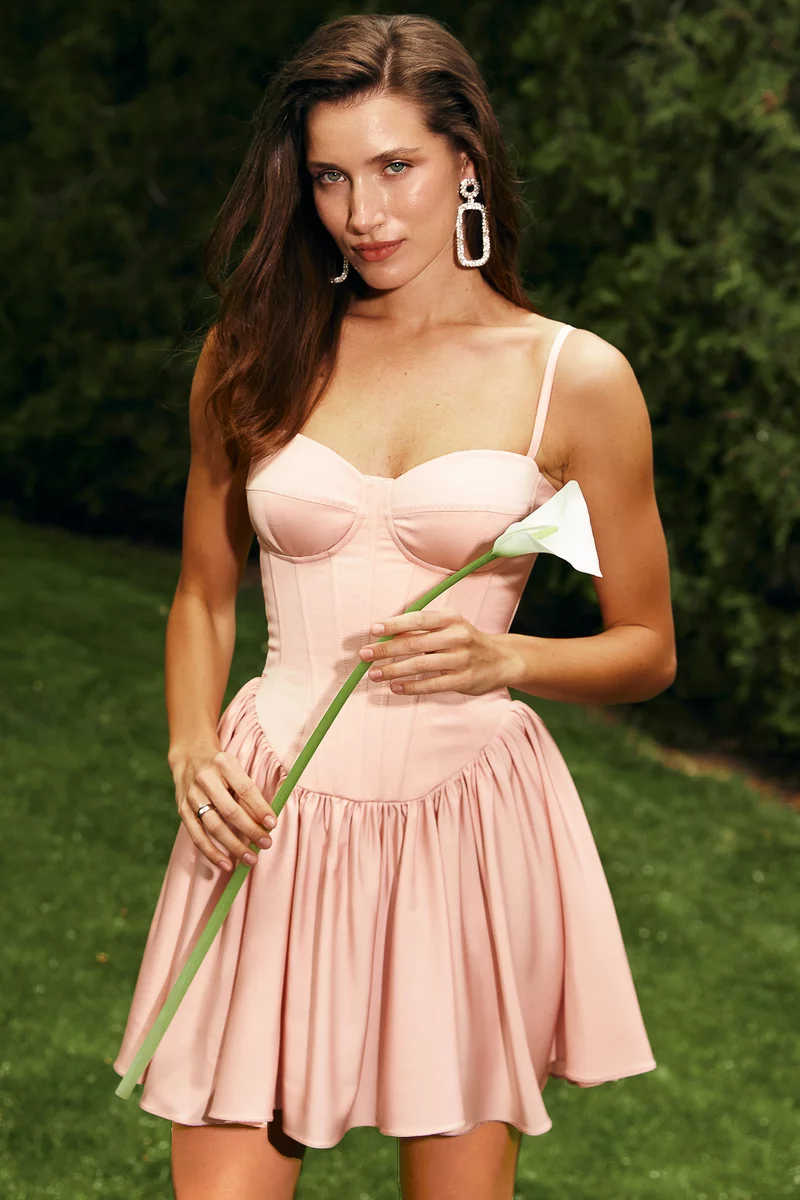
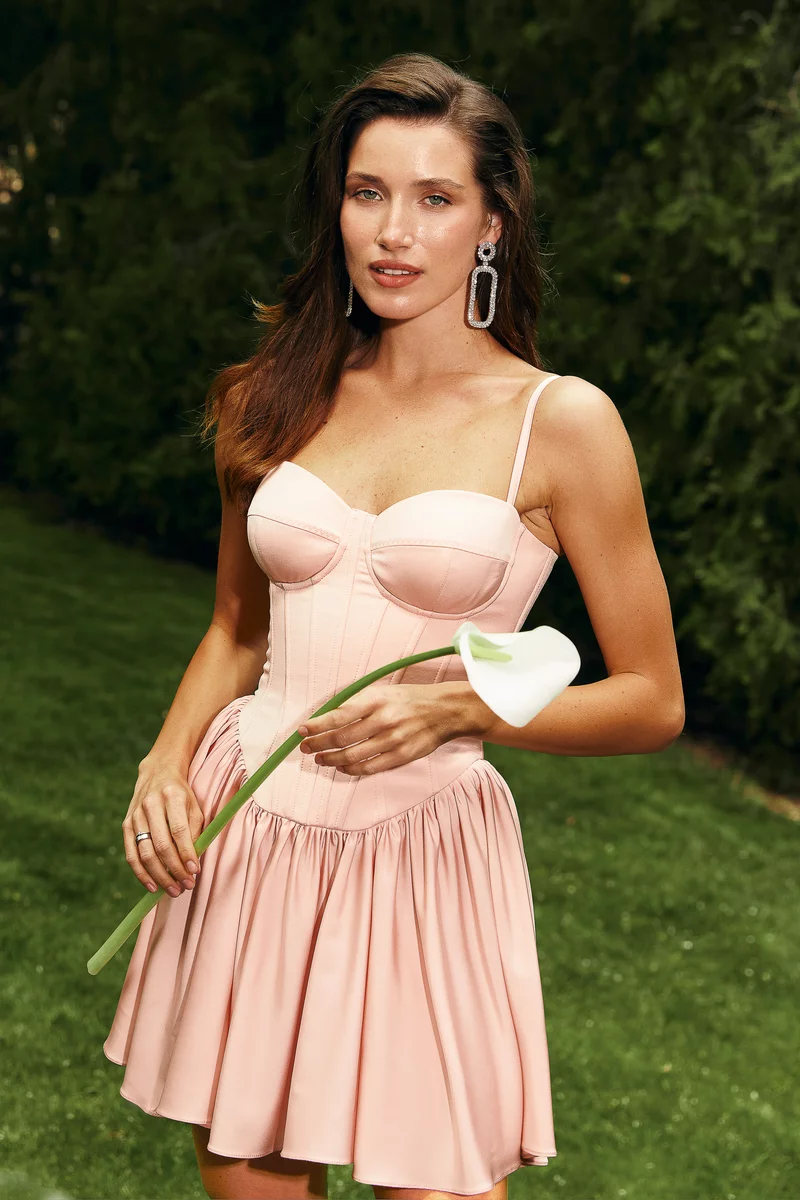
No, there is no strict dress code at the registry office. Shades such as ivory, milk, off-white, pearl, powder, soft pink, and champagne are equally appropriate — they preserve the festive association while looking less overtly bridal. For an evening ceremony or a second civil ceremony, deep burgundy, navy, or black with accents can work well. The key is that the colour should complement the interior of the venue and your figure, and that the fabric should not turn grey under artificial lighting.
Which fabrics are suitable for a winter and summer civil ceremony?
For a summer ceremony, choose chiffon, silk, lightweight satin, lined lace, and sateen — these fabrics allow air to pass through, avoid a greenhouse effect, and do not crease from movement. For winter and the transitional seasons, dense satin, micro-oil jersey with stretch thread, velvet, crepe de chine, and lace styles with dense lining work well. In the cold season, long sleeves and a closed back are appropriate; in summer, open shoulders, thin straps, and skirts with fluid movement are ideal.
Do you need a veil with a civil ceremony dress?
A veil is not required and is often excessive for a registry office format. It can be successfully replaced by minimalist accessories: a silk hair bow, a pearl hair clip, a slim headband, a birdcage veil, or a mini veil up to shoulder length. Such details preserve the bridal image without overloading a concise dress. If a party or a photoshoot is planned after the ceremony, prepare two hairstyles: one with a veil and one without.
How do you choose a dress if there will be a reception or party after the ceremony?
The optimal option is a transformable dress or a model with clear evening potential: a wrap maxi, a fitted midi with a slit, or a slip dress with straps. During the day, the look can be complemented with a light blazer and pearls; in the evening, that layer is removed and statement earrings, bright lipstick, and heels are added. Choose crease-resistant fabric — satin, micro-oil jersey, or dense chiffon. If the reception is in another location, plan in advance where you will change.
What can you choose instead of a civil ceremony dress?
An alternative to a dress is a white or milk-coloured trouser suit with a blazer, a silk blouse with wide-leg trousers, a jumpsuit with a V-neckline, or a skirt suit. Such a look works for a minimalist ceremony, an outdoor city registration, or a second civil ceremony. The key details are a precise cut, solid-colour fabric without print, and neat accessories: pearls, metallic earrings, and a matching clutch.
Wedding Dresses: prices in October 2026
Frequently asked questions about wedding dresses?
Where to buy wedding dresses?
Wedding Dresses can be purchased at Gepur stores or ordered online at Gepur.com
What are the most popular wedding dresses?
TOP 5 most popular products in the category wedding dresses:
What are the prices for wedding dresses?
Prices for the wedding dresses from 26$ to 109$