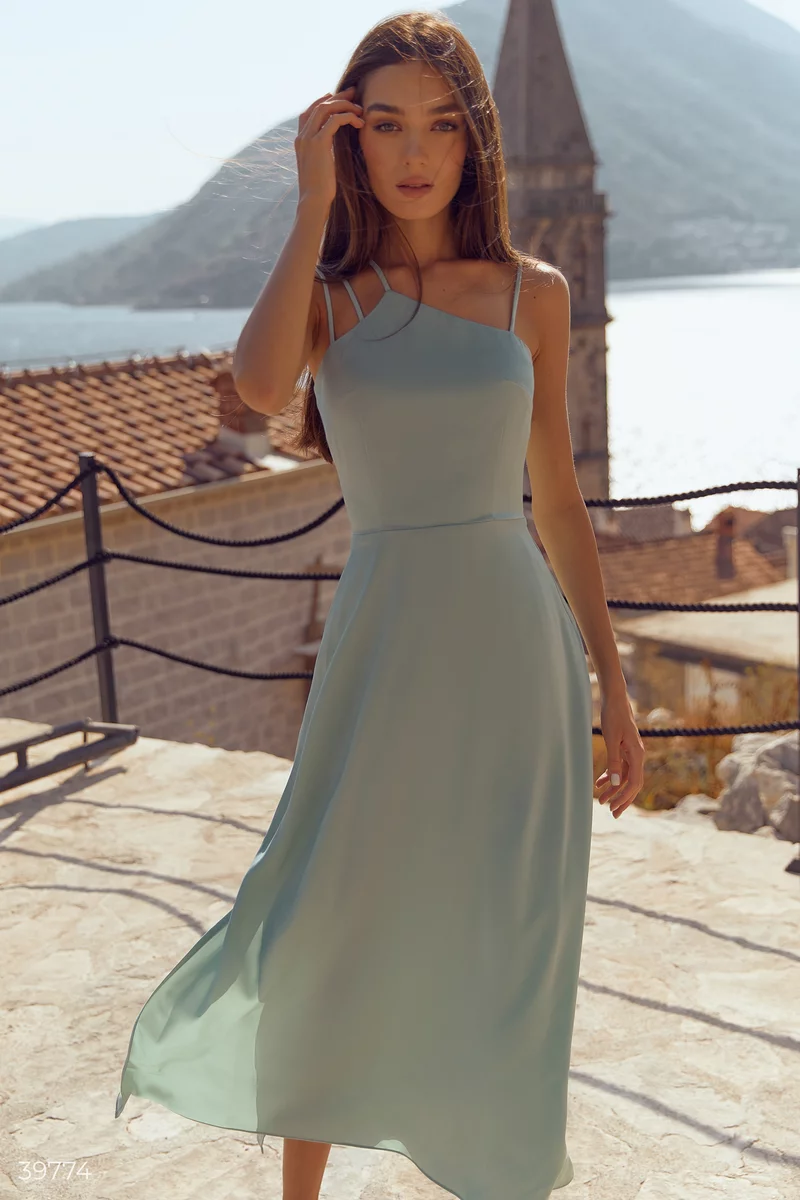
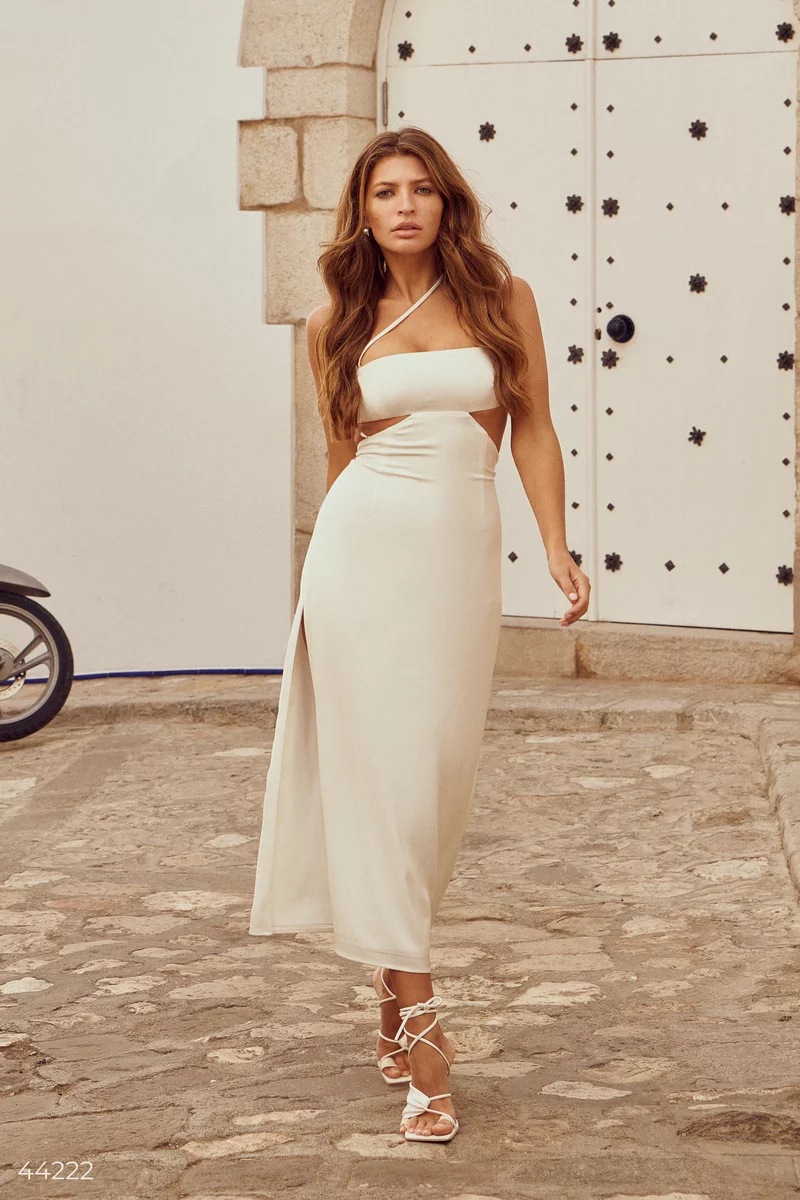
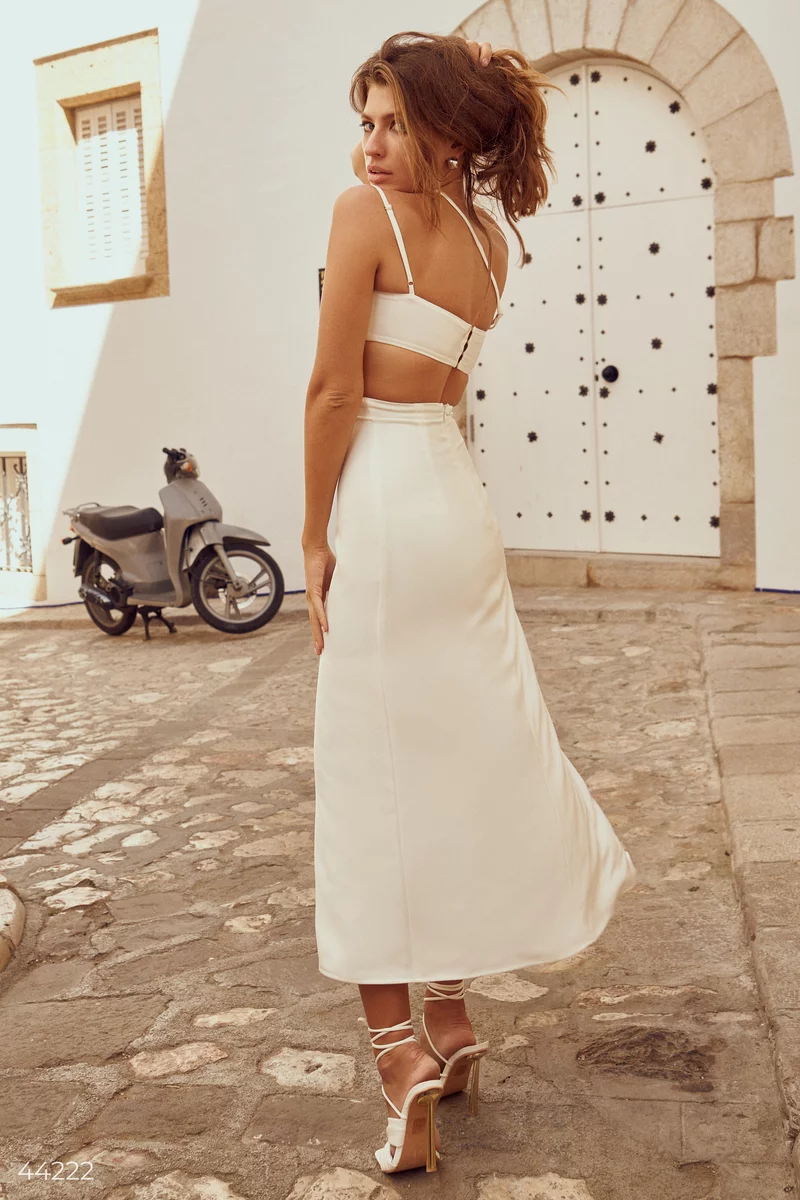
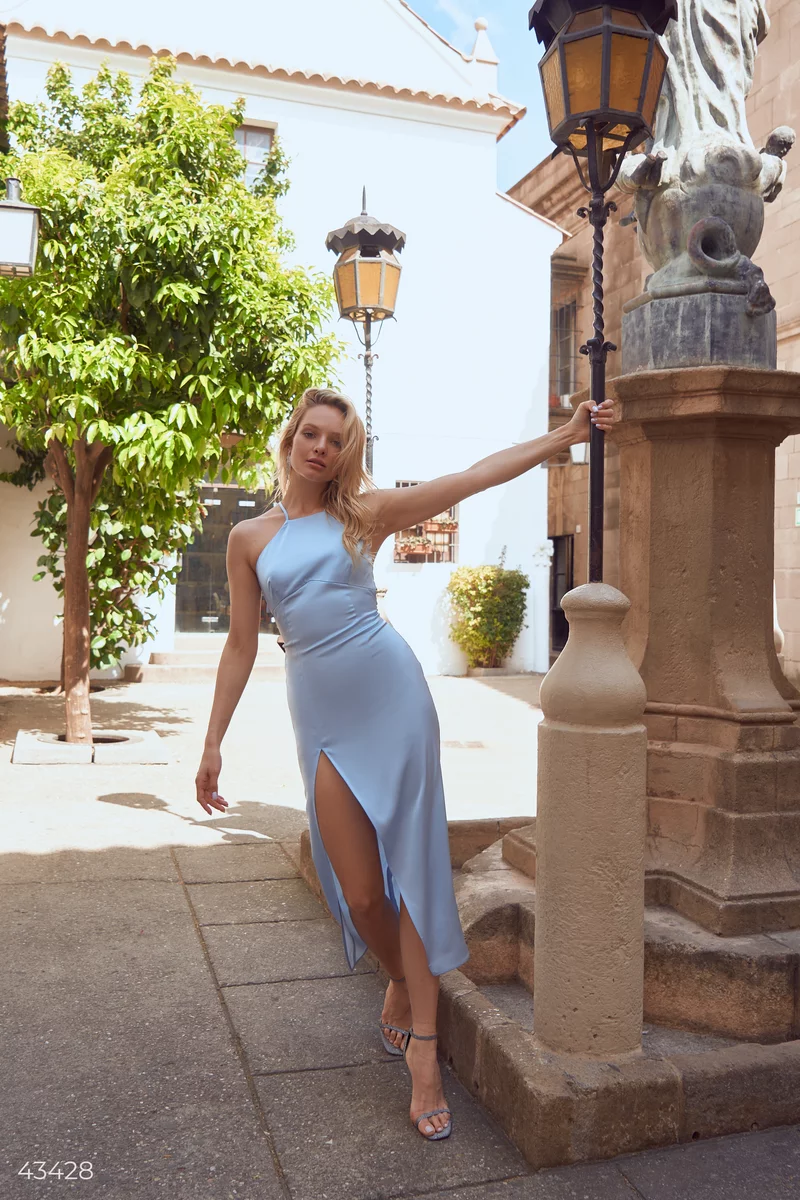
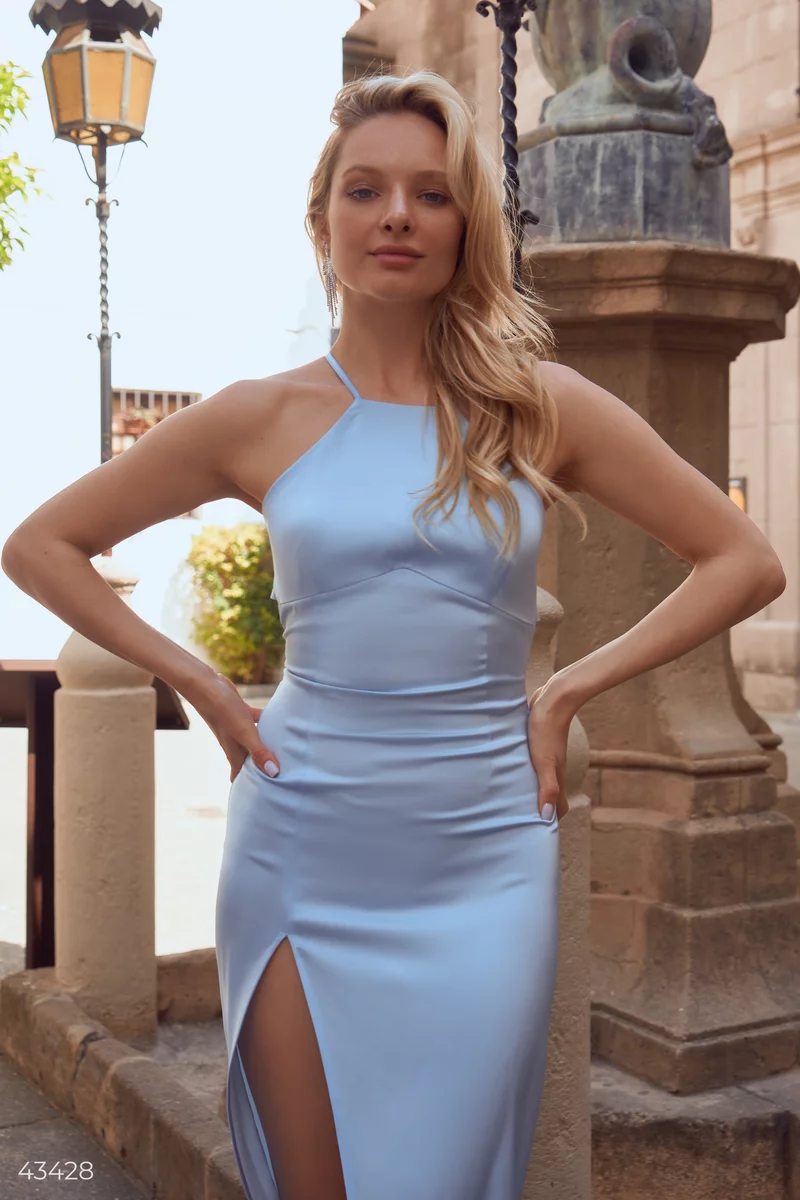
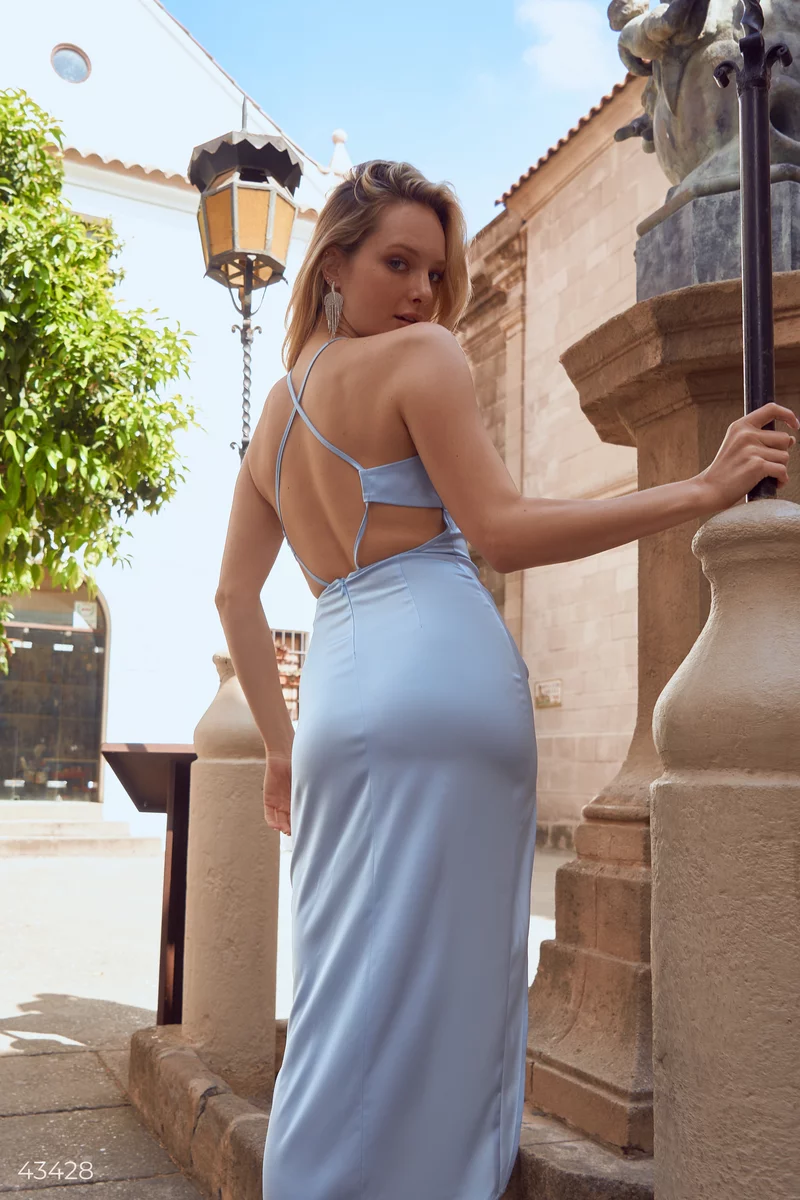
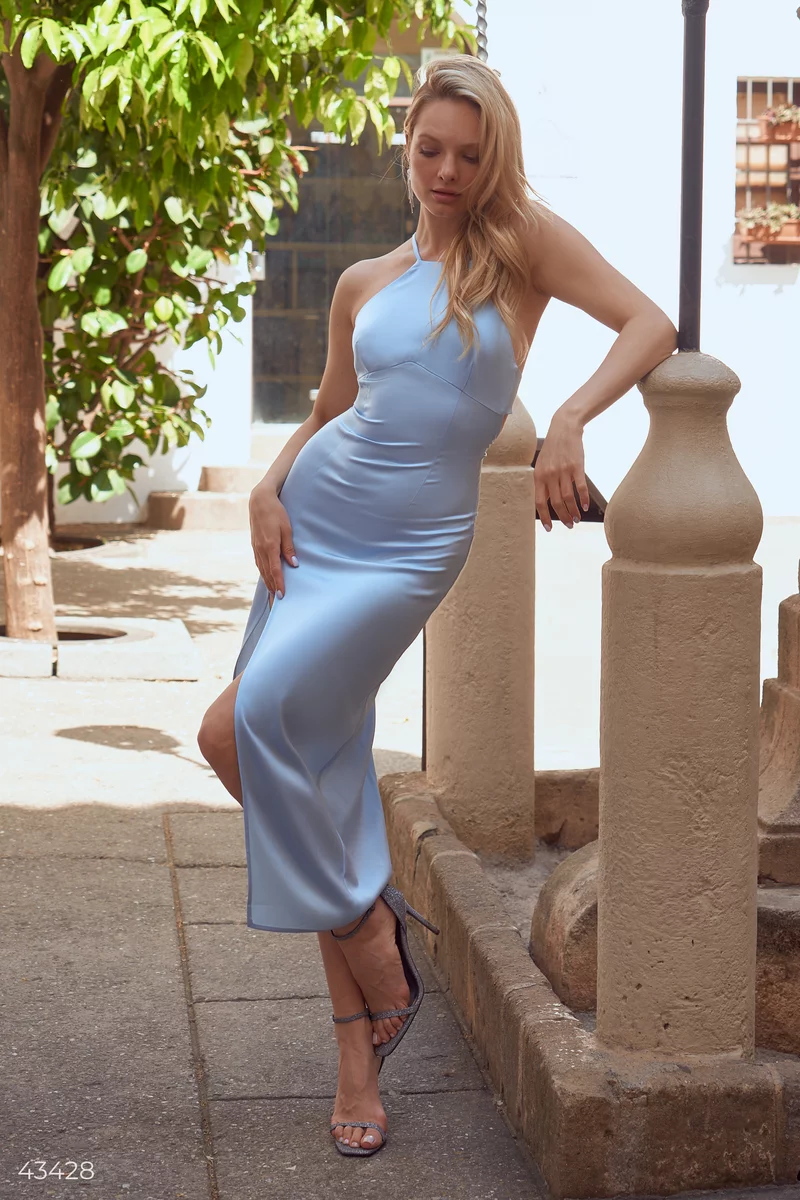
A wedding dress with a slit: a silhouette that reveals itself in movement

A wedding dress with a slit is not decoration but construction. The slit elongates the silhouette, gives freedom for the first dance, and shifts the focus from the hem to the rhythm of your stride. In the Gepur wedding dress collection, you choose the scenario for your day, not just a silhouette.
Benefits of wedding dresses with a slit
The hem does not get tangled on stairs or at an outdoor venue, photos gain from the added movement, and the first dance and transitions between locations happen without having to lift the fabric. Slit options by level of reveal:
- A wedding dress with a thigh-high slit — maximum emphasis on the leg line, ideal for an hourglass figure and the evening part of the celebration.
- A wedding dress with a front slit — a frontal opening for empire and A-line silhouettes.
- Wedding dresses with a side leg slit — a moderate reveal and a versatile option for an outdoor ceremony.
How to choose: a mermaid wedding dress with a slit, straight cut, A-line silhouette
A mermaid wedding dress with a slit is for a bride ready to make a statement: structured satin or mikado holds the shape through the hips, while the leg slit adds movement to the lower part of the mermaid silhouette. A straight-cut dress with a slit works for minimalist civil ceremonies and registry office weddings; an A-line silhouette with a front slit suits formal venues where lightness matters. A high slit balances broad shoulders and lengthens the legs; a knee-length slit is a safe choice for a pear-shaped figure and conservative venues. For a beach wedding — chiffon and silk; for a city wedding — satin and mikado; for the evening part — glossy satin or lace inserts.
“Place the slit on a wedding dress 10–15 cm above the knee: at this height it opens as you walk but does not fall open when standing still. Shorter for structured fabrics, longer for fluid ones.”
— Natali Bakaeva, GEPUR stylist
What to wear it with: shoes, jewelry, second look
Shoes should continue the silhouette: delicate strappy sandals or satin pumps in a matching shade, without a chunky last. With an open neckline, choose elongated earrings rather than a necklace: the jewelry should not compete with the line of the slit. For the second part of the evening, swap the veil for a choker or a slim headband and add a statement accessory — the look shifts without changing the dress.
Why it is worth buying a wedding dress at Gepur
Buying a wedding dress with a slit at Gepur means getting a reinforced seam, a neatly finished edge, and fabric selected for a specific silhouette. With 15+ years of experience in women’s fit and a database of real body measurements, every slit edge is protected from fraying throughout the movement of the wedding day. We never choose fabric at random — each silhouette is matched with a material that either holds its shape or flows beautifully. For a mermaid silhouette — fitted wedding styles; for shorter lengths — cocktail wedding dresses and mini styles; for a corset bodice — corset dresses; for a second look or reception — evening dresses in a matching tone or contrasting shade.
FAQ: frequently asked questions about wedding dresses with a slit
What is a wedding dress with a slit and what types of slits are there?
A wedding dress with a slit is a style with a vertical opening in the skirt that reveals the leg while moving. There are three main types: a thigh-high slit (deep, emphasizes the full leg length and suits a mermaid silhouette), a knee-length slit (moderate, suitable for conservative venues and a pear-shaped figure), and a side slit (versatile, visible in motion and barely noticeable when standing still). Another format is a front slit and a double slit on both sides, both suitable for A-line and empire silhouettes. The height and shape of the slit are chosen according to the silhouette and the type of ceremony.
How do you choose a wedding dress with a leg slit for your body type?
A high slit works well on hourglass and rectangle body types: it lengthens the legs and balances broad shoulders. For a pear-shaped figure, a slit up to the knee or slightly above is the right choice — it does not pull visual weight downward. Brides with shorter legs should choose a higher slit to visually add length; for taller brides, a moderate slit can look just as striking as a deep one. The key rule: the slit should open in motion, not when standing still — that is the sign of smart construction.
What is the difference between a wedding dress with a thigh-high slit and a style with a front slit?
A thigh-high slit is placed at the side and reveals the leg as you walk — this is the classic option for mermaid and straight-cut silhouettes. A wedding dress with a front slit reveals the leg from the front, often up to mid-thigh, and requires a structured fabric such as satin, mikado, or glossy satin; otherwise the hem shifts while moving. A front slit is more photogenic in still poses, while a side slit works better in motion. The choice between them depends on the format of the shoot and the ceremony scenario: for static portraits, choose a front slit; for an outdoor ceremony and the evening part of the event, choose a side slit.
What shoes should you wear with a wedding dress featuring a leg slit?
Shoes should feel light in shape: minimal strappy sandals, satin pumps, or pointed-toe mules in a shade matching the dress. Chunky platforms, heavy block heels, and sneakers are out — they clash with the refined line of the slit. Color options include ivory, milky white, silver, champagne, or white; a bold shade such as red or blue works only as a deliberate accent. Choose the heel height according to the dress length: the slit should reveal the leg as you move, not because the skirt is longer than it should be.
Is a wedding dress with a slit suitable for a church ceremony?
For an Orthodox church wedding, choose a style with a slit up to the knee or slightly above and a structured fabric that does not fall open while moving. For a Catholic ceremony, a moderate side slit is acceptable, but not a front slit. Some churches have rules regarding bare legs and shoulders, so check with the parish before booking. If the slit is deep, you can add a semi-sheer insert or a removable panel under the skirt to hold the hem in place during the ceremony and remove it for the second part of the celebration.
Where can you see a wedding dress with a slit — photos of the styles?
In the Gepur catalog, each style is shown from several angles — front view, profile, and in motion — so you can see how the slit opens as you walk. Photos of wedding dresses with a leg slit are shot both in the studio and on location to show how the fabric and silhouette behave in stillness and movement. Each product page includes fabric composition, cut, care instructions, and a stylist’s note. There are also customer reviews with real measurements and fitting photos that help you assess the fit before ordering.
How do you secure the slit so it does not fall open while walking?
A practical solution is to sew a hidden snap or an invisible hook onto the inside of the slit at the point where it should stay closed in stillness. Another option is a thin double-sided fashion tape placed at the point of maximum opening: it holds for 6–8 hours and leaves no marks on satin or mikado. For fluid fabrics such as silk and chiffon, small weights sewn into the hem lining help stabilize the lower part without visible seams. The most reliable option is to request reinforced finishing along the slit edge from the brand before purchasing the dress.
Frequently asked questions about wedding dresses with a slit?
Where to buy wedding dresses with a slit?
Wedding Dresses with a Slit can be purchased at Gepur stores or ordered online at Gepur.com
What are the most popular wedding dresses with a slit?
TOP 5 most popular products in the category wedding dresses with a slit:
What are the prices for wedding dresses with a slit?
Prices for the wedding dresses with a slit from 35$ to 115$